Historic Consensus: A New Era for Bladder Exstrophy Care
“I stand before you today not as an Executive Director, but as a mother.” — Pamela Artigas
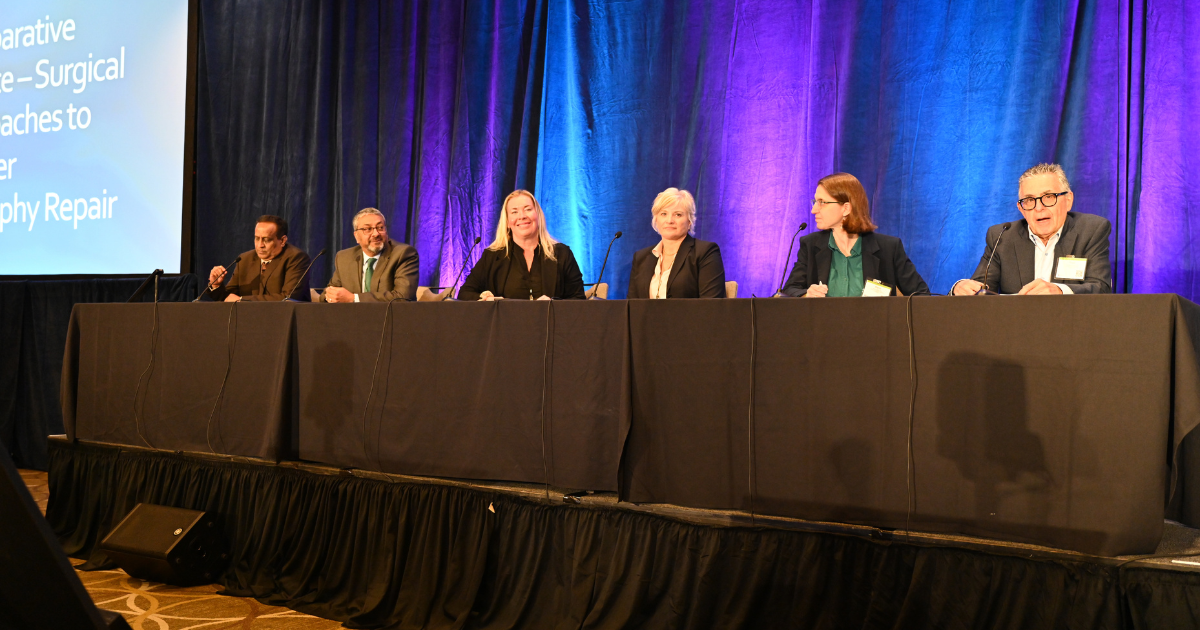
Those were the words that changed the tone of the room during a recent gathering of global bladder exstrophy leaders at a three-day CME course and panel discussion at Cincinnati Children’s Hospital Medical Center. The room was filled with some of the most experienced bladder exstrophy surgeons in the world whose combined expertise spans more than 210 years of surgical care. What followed became more than a discussion about surgery. It became a conversation about trust, fear, and the reality families face after diagnosis.
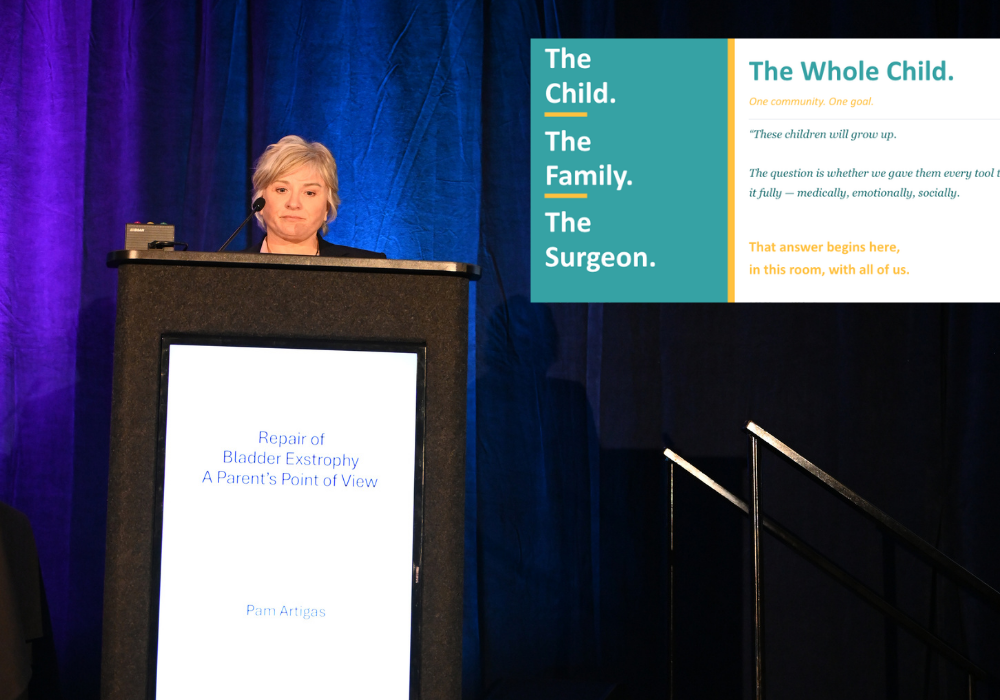
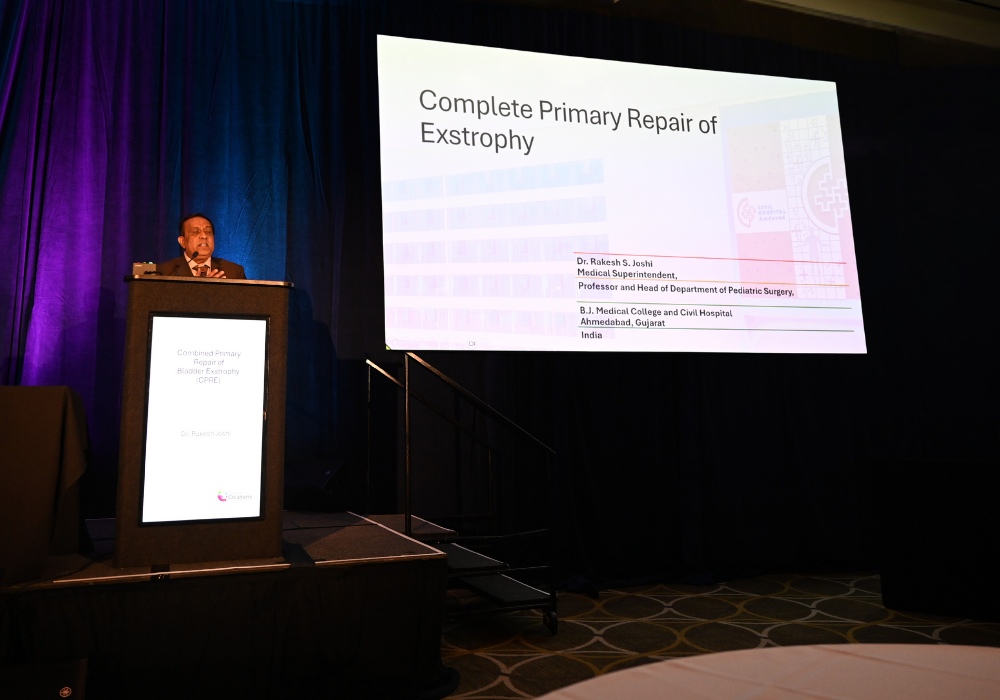
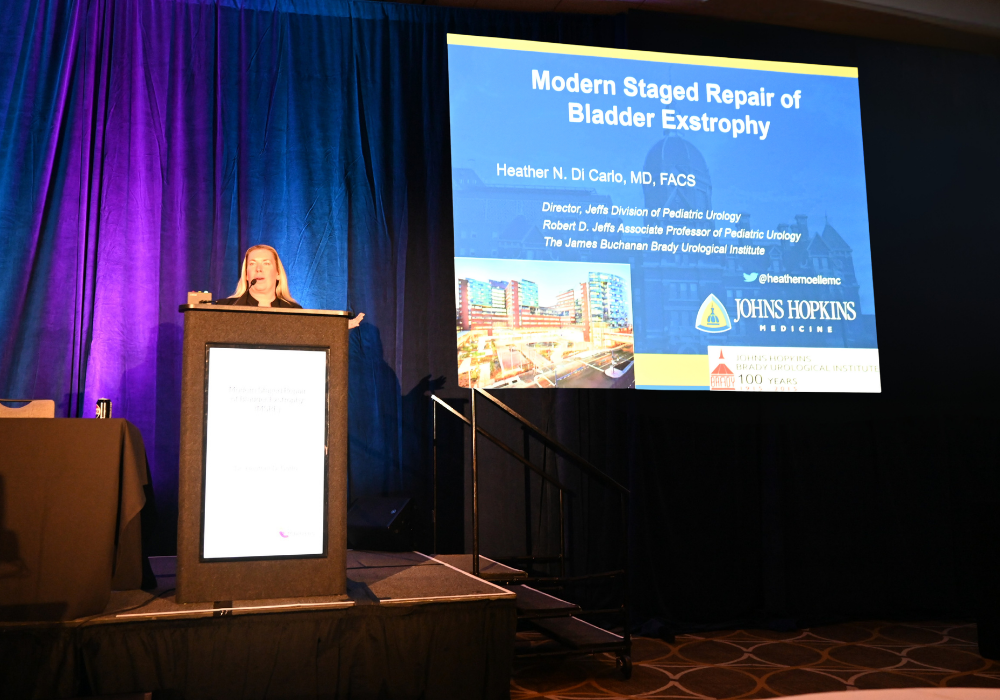
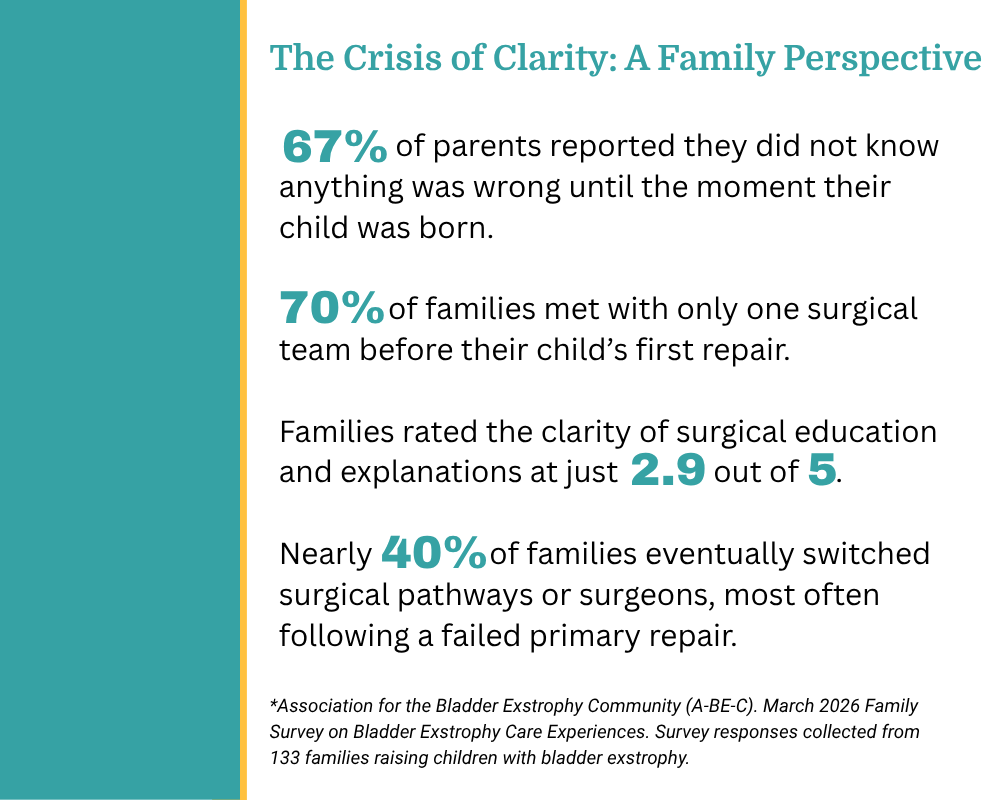
Representing A-BE-C, Executive Director Pamela Artigas presented the results of a March 2026 survey completed by 133 families raising children with bladder exstrophy. The message was clear: families are overwhelmed, confused, and often forced to make life-changing decisions in moments of confusion and crisis.
The Reality Families Face
For most families, the journey begins in complete shock. Nearly 67% of parents reported they had no idea anything was wrong until the moment their child was born. Instead of having time to prepare, families are suddenly thrown into emergency consultations, unfamiliar terminology, and overwhelming decisions.
“These parents are not reading peer-reviewed journals in the delivery room,” Pamela shared. “They are parents in crisis. They are looking for a lifeline, not a lesson in surgical mechanics.”
Many families described entering consultations emotionally exhausted and trying to process multiple surgical philosophies while knowing almost nothing about the condition itself. Families rated the clarity of surgical education at just 2.9 out of 5 — what Pamela called “a Grade C for the most important medical decision of their child’s life.”
When Competition Reaches the Kitchen Table
Parents described turning to social media groups searching for reassurance, only to encounter pressure, fear, and guilt surrounding their surgical choices.
“Your words in the consult room become weapons families use against each other online,” Pamela shared.
The point was not to declare one surgical technique superior to another. In fact, one of the most significant takeaways from the data was that the outcomes across approaches were often “more similar than different.” The deeper issue is the emotional burden placed on families when competing philosophies create confusion instead of clarity.
Clinical Success vs. Real-Life Success
The conversation also challenged how success is measured. While providers may focus on bladder capacity, imaging, or kidney health, families are thinking about everyday life and long-term emotional wellbeing.
Can their child sleep through the night?
Can they attend a birthday party without anxiety?
Can they change in a locker room without fear?
Can they walk into a classroom with confidence?
“Clinical metrics are the foundation,” Pamela explained. “But social normalcy is the house. And you can’t live in a foundation.”
The Historic Turning Point
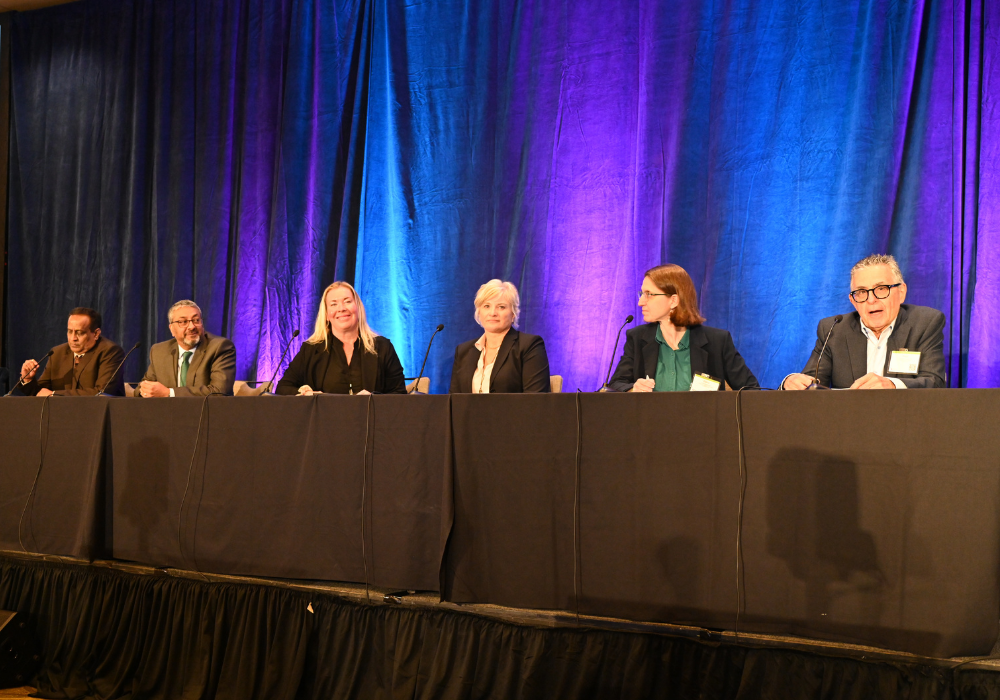
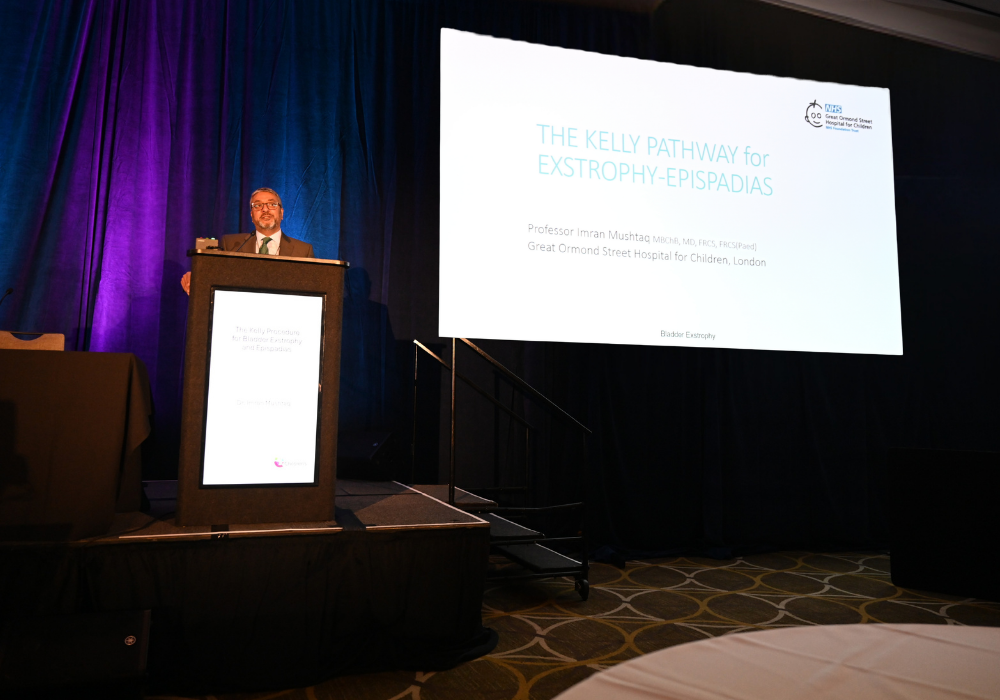
The event featured a dynamic discussion among leading surgeons representing three distinct surgical philosophies, including Dr. Imran Mushtaq, Dr. Heather Di Carlo, and Dr. Rakesh Joshi. Additional panelists, including Dr. Paul Merguerian, Dr. Dana Weiss and Pamela Artigas, brought both clinical and family-centered perspectives into the conversation.
There was no fighting. No arguing. No defense of ego or territory.
Providers openly acknowledged that families have too often been left navigating confusion during moments of crisis. The discussion became less about defending individual techniques and more about listening to what families were actually asking for: transparency, collaboration, honesty, and support.
As Paul Merguerian described it, the moment felt historic.

Standing (left to right) – Dr. Evalynn Vasquez, Dr. Heather DiCarlo, Professor Imran Mushtaq, Executive Director Pamela Artigas, Dr. Rakesh S. Joshi, Dr. Dana A. Weiss
Seated – Dr. Joao Luiz Pippi Salle, Dr. Paul A. Merguerian
A New Leadership Standard
Rather than continuing to operate in silos, these leaders committed to working together to better understand each other’s methods, share outcomes, and improve care collectively.
Just weeks after the debate, leaders reconvened and committed to building a true global partnership focused on improving outcomes for every child affected by bladder exstrophy.
A new chapter for bladder exstrophy care has begun. One built not on division, but on trust, transparency, collaboration, and the shared belief that families deserve more than technical brilliance alone.
They deserve to be heard.
Repair of Bladder Exstrophy: A Parent’s Point of View
A recording of Pamela Artigas’ presentation at the meeting has been made available and includes statistics, quotes and feedback from 133 families of exstrophy children.